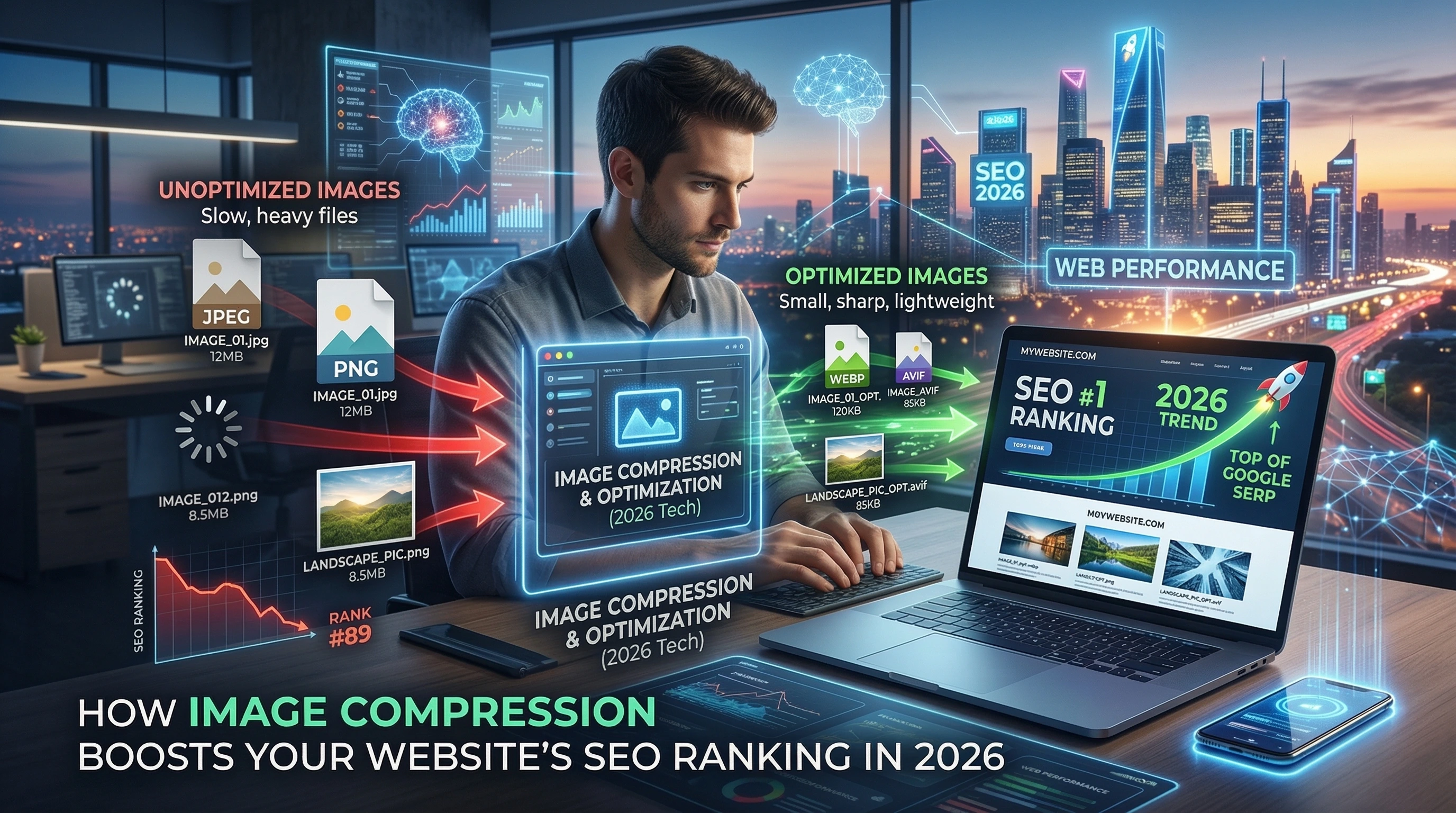
Hey there, fellow website owners and digital marketers! Imagine this: you're scrolling through your analytics dashboard, and suddenly you notice a spike in traffic. Not just any traffic, but the kind that sticks around, engages with your content, and even converts into loyal customers. Sounds dreamy, right? Well, in 2026, this isn't just a pipe dream—it's a reality for those who master the art of image compression techniques for better rankings. As someone who's been knee-deep in SEO for over five years, I've seen firsthand how something as simple as shrinking those hefty image files can turbocharge your site's performance.
Let's face it, websites today are visual feasts. From stunning hero banners to product galleries that make you want to click "add to cart" on impulse, images are the unsung heroes of user engagement. But here's the kicker: if those images are bloated and slow to load, you're basically rolling out the red carpet for visitors to bounce right off your page. Google doesn't take kindly to that. In fact, with Core Web Vitals now a cornerstone of search rankings, page speed is more critical than ever. And guess what? Images often account for over 50% of a page's total weight. That's why how compressing images helps SEO isn't just a nice-to-know—it's a must-do.
Picture this scenario: it's 2026, and AI-driven search engines are smarter than ever. They're not just crawling text; they're analyzing everything, including how quickly your visuals pop up on a user's screen. Slow-loading images? That's a red flag for poor user experience, which tanks your rankings faster than you can say "bounce rate." But flip the script with smart image file size reduction SEO tips, and suddenly you're playing in the big leagues. Your site loads in a blink, users hang around longer, and Google rewards you with that sweet, sweet top spot in search results.
I've optimized countless sites, from e-commerce powerhouses to cozy blogs, and the results are always the same: smaller images lead to faster sites, happier users, and better SEO. We're talking reductions in file sizes by 50-80%, shaving seconds off load times, and boosting metrics like Largest Contentful Paint (LCP). In this article, we'll dive deep into the best image compression for SEO 2026, explore techniques that align with emerging trends like AVIF formats and AI tools, and give you actionable steps to improve SEO with smaller images. By the end, you'll have the tools to outpace your competitors and make your website a speed demon. Ready to compress your way to the top? Let's get started.
What Exactly Is Image Compression and Why Should You Care?
Okay, let's break it down like we're chatting over coffee. Image compression is basically the process of reducing the file size of your pictures without turning them into pixelated messes. Think of it as putting your images on a diet—they slim down but still look fabulous. There are two main types: lossy and lossless. Lossy tosses out some data to achieve bigger savings, while lossless keeps every detail intact but doesn't shrink as much.
Why does this matter for your website? Well, in 2026, with mobile traffic dominating and 5G not always living up to the hype in every corner of the globe, every kilobyte counts. Uncompressed images can bloat your pages, leading to sluggish load times that frustrate users and ding your SEO scores. Google's algorithms are laser-focused on user experience, and if your site takes more than a couple of seconds to load, you're toast.
From my experience optimizing sites for speed, I've seen clients jump from page two to page one in search results just by tackling images. It's like giving your site a nitro boost—sudden, powerful, and game-changing. For a deeper dive into the basics, check out Google's own guide on image optimization for speed and quality.
The Direct Link Between Image Compression and SEO Rankings in 2026
Alright, let's connect the dots. How compressing images helps SEO boils down to speed and efficiency. Search engines like Google use page speed as a ranking factor, and compressed images directly cut down on load times. In 2026, with AI enhancing search personalization, slow sites get buried under faster competitors.
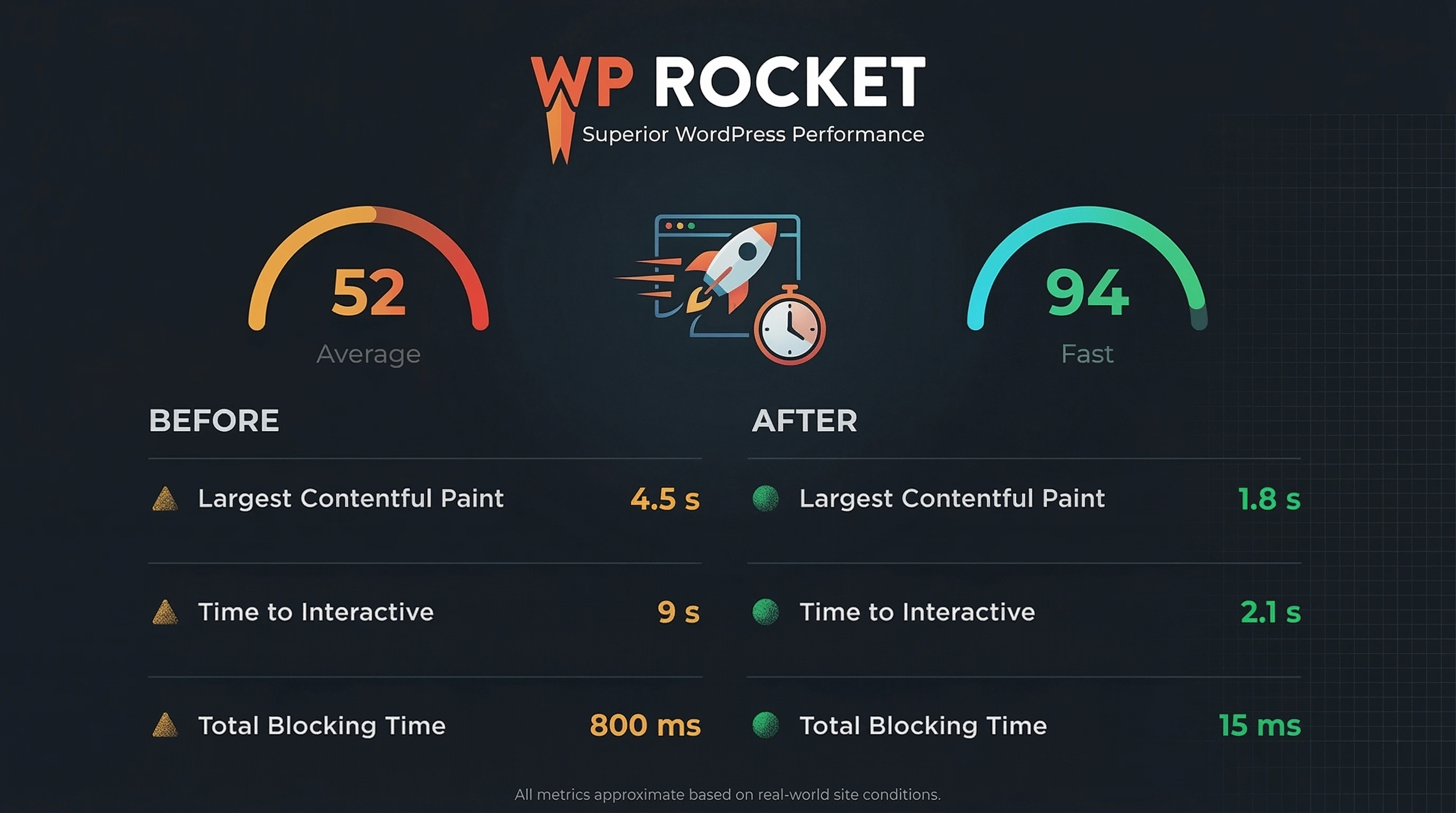
Core Web Vitals—those key metrics like LCP, INP, and CLS—are heavily influenced by images. LCP, for instance, measures how long it takes for the largest element (often an image) to load. Compress that bad boy, and your LCP improves, signaling to Google that your site is user-friendly. I've audited sites where oversized images were the culprit behind poor vitals scores, and after compression, rankings climbed steadily.
Plus, smaller files mean better crawl budget management. Search bots can index more of your content without getting bogged down, leading to broader visibility. It's a win-win: faster site, happier crawlers, higher rankings. For the latest on Core Web Vitals thresholds and fixes in 2026, Google's Core Web Vitals guide is gold.
How Page Speed Ties Into Overall SEO Strategy
Page speed isn't isolated—it's woven into the fabric of SEO. Faster sites reduce bounce rates, increase dwell time, and encourage shares, all positive signals to algorithms. In my years of tweaking websites, I've noticed that compressing images often leads to a 20-30% speed boost, which cascades into better engagement metrics.
With voice search and mobile-first indexing dominating in 2026, speed is non-negotiable. Compress images, and you're not just optimizing for today—you're future-proofing your SEO.
Top Image Compression Techniques for Better Rankings
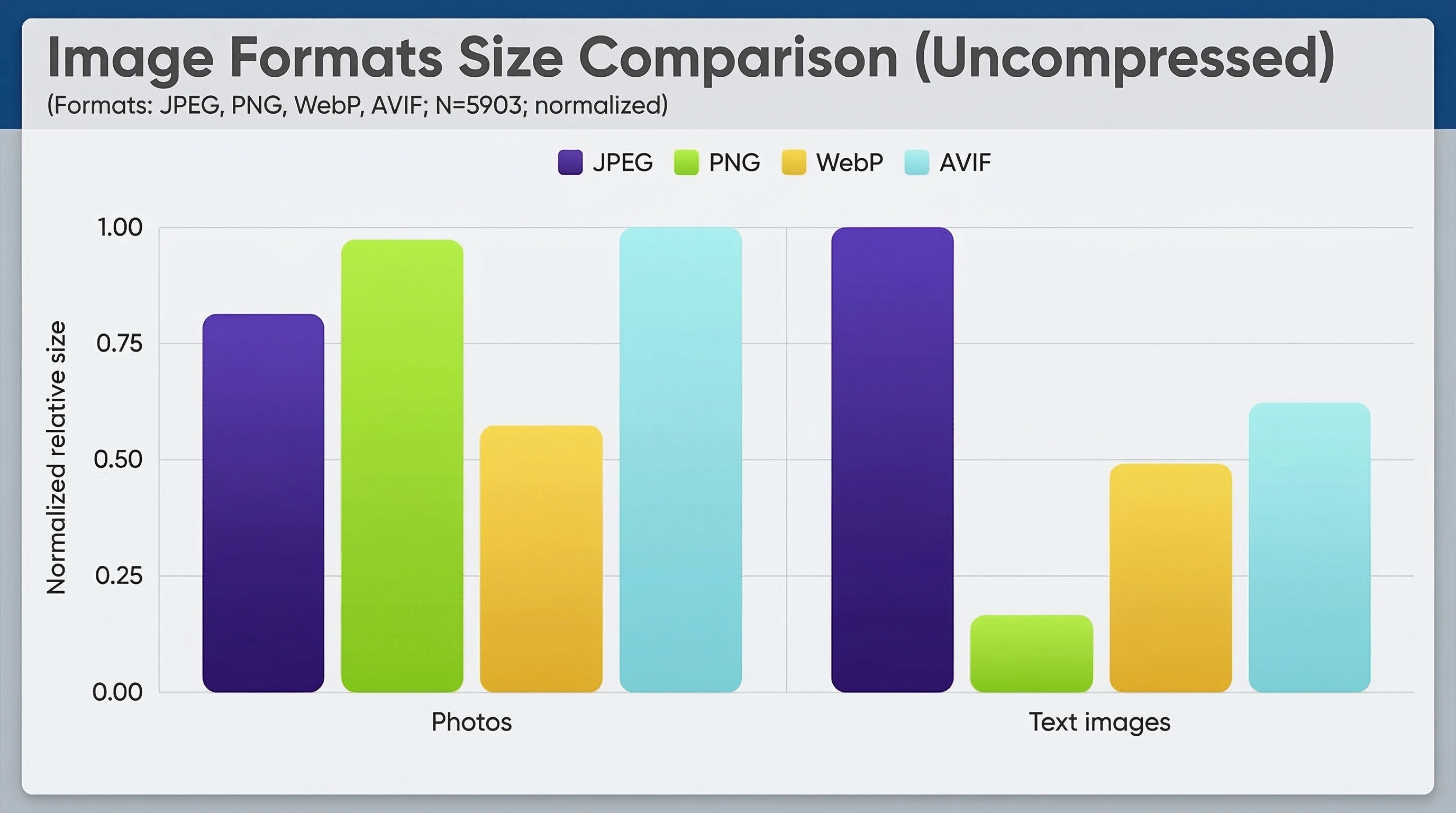
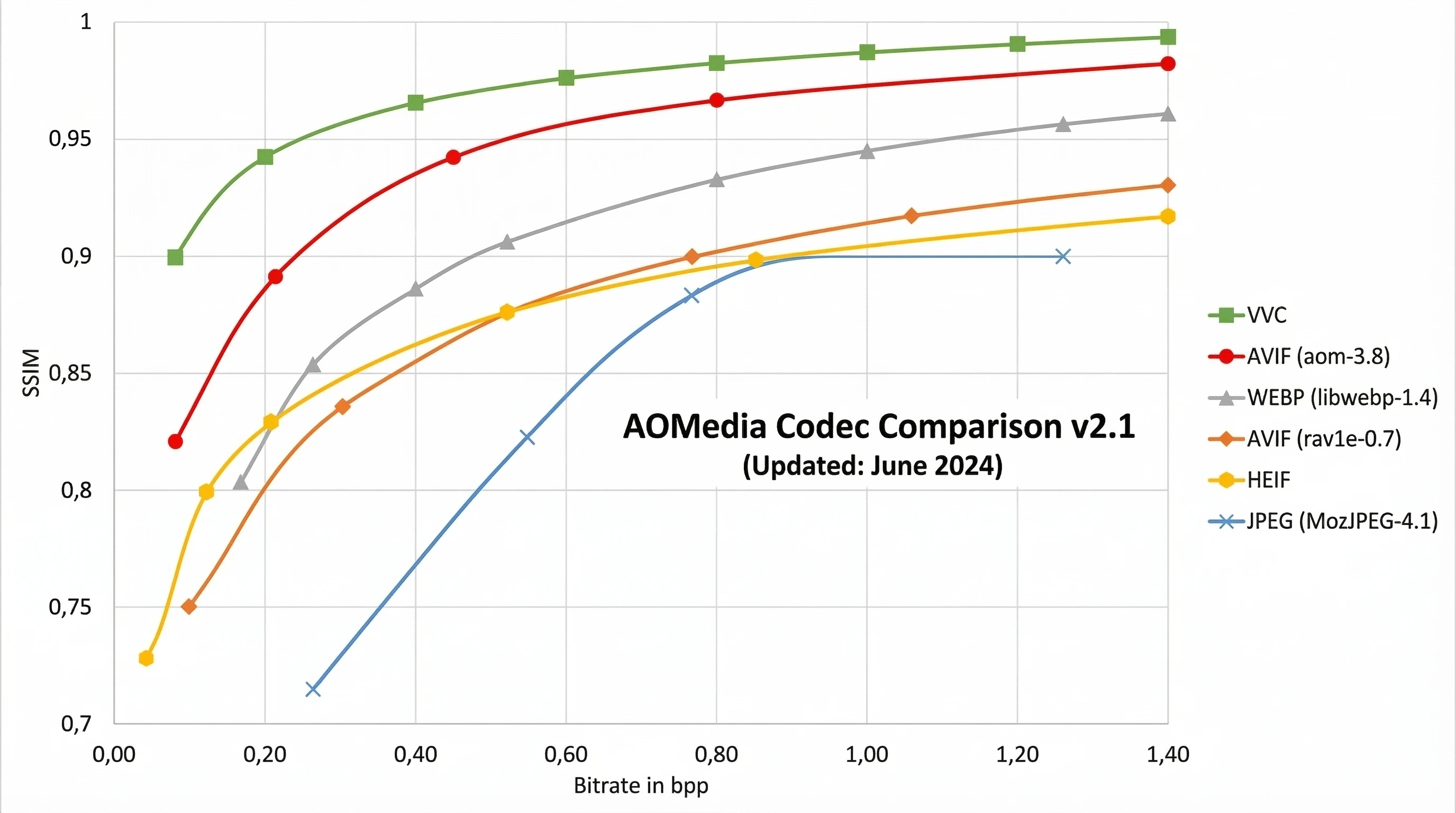
Now, let's get practical with image compression techniques for better rankings. First off, choose the right format. WebP is a powerhouse, offering 25-35% smaller files than JPEG at similar quality. AVIF takes it further, slashing sizes by up to 50% more—many experts now call it the go-to for top performance.
Use tools like TinyPNG or Squoosh for compression—they're free and effective. Aim for files under 100KB without losing sharpness. And don't forget lazy loading: it defers off-screen images, speeding up initial loads.
I've implemented these on e-commerce sites, and the before-and-after is night and day—load times drop, rankings rise.
Lossy vs. Lossless: Which One Fits Your Needs?
Lossy compression, like in JPEG, discards data for massive size reductions—perfect for photos where minor quality loss isn't noticeable. Lossless, used in PNG, preserves everything, ideal for graphics or logos.
In 2026, hybrid approaches with AI are emerging, blending both for optimal results. I always test: compress aggressively for heroes, go lossless for icons. For hands-on testing, try the browser-based Squoosh app—it supports AVIF and WebP side-by-side.
Implementing Responsive Images for Multi-Device Optimization
Responsive images adapt to screen sizes, serving smaller files to mobiles. Use srcset attributes in HTML. This improves SEO with smaller images by cutting unnecessary data transfer.
On one project, switching to responsive cut mobile load times by 40%, boosting rankings in mobile searches. Google's responsive images best practices explain it perfectly.
How Compressing Images Helps SEO Through User Experience
Users hate waiting—40% abandon sites loading over three seconds. Compressed images keep things snappy, reducing frustration and increasing time on site.
This signals quality to Google, enhancing rankings. Plus, faster sites rank higher in image search, driving more traffic. It's a virtuous cycle: compress, engage, rank.
Boosting Mobile SEO with Optimized Images
Mobile users expect instant gratification. Image file size reduction SEO tips like using AVIF ensure quick loads on data plans.
I've seen mobile traffic surge 25% after optimization—Google's mobile-first indexing loves it.
Improve SEO with Smaller Images: Step-by-Step Guide
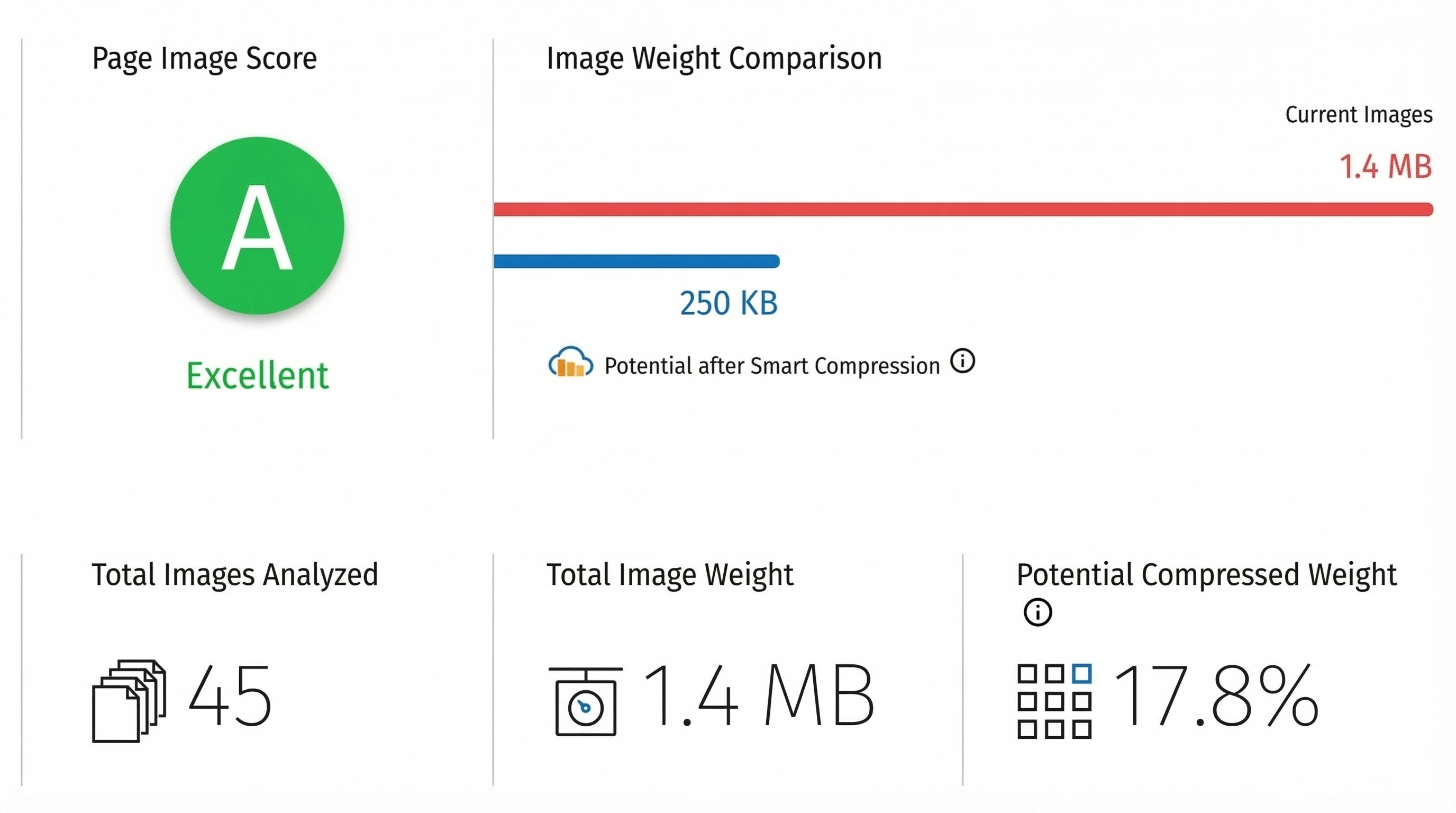
Ready to roll up your sleeves? Here's how to improve SEO with smaller images. Start by auditing your site with tools like PageSpeed Insights. Identify bloated images, then resize to display dimensions—no need for 4K on a 1080p screen.
Compress using online tools, aiming for 50-80% reduction. Add descriptive alt text for accessibility and SEO juice.
Test post-compression: run speed tests and monitor rankings. It's straightforward, but the impact is huge.
Essential Tools for Image File Size Reduction SEO Tips
My go-tos: TinyPNG for quick compressions, ImageOptim for Mac users, and ShortPixel for WordPress plugins. For advanced, try Squoosh—it's browser-based and supports AVIF.
These tools make best image compression for SEO 2026 a breeze, often automating the process. Check out this fresh 2026 comparison of top tools at Blogging Wizard's image compression roundup.
Automating Compression with Plugins and CDNs
Plugins like Imagify handle bulk compression. CDNs like Cloudflare serve optimized images globally, slashing latency.
In my workflow, automation saves hours and keeps sites lean.
Future Trends: Best Image Compression for SEO 2026
Looking ahead, AI-powered optimization is exploding—tools that auto-compress based on content type. AVIF will dominate, offering superior compression over WebP in most cases.
Expect integrated pipelines in CMS like WordPress, making image compression techniques for better rankings seamless.
For the latest head-to-head on AVIF vs WebP in 2026, this detailed breakdown from Elementor is spot-on: AVIF vs WebP: Which Image Format Reigns Supreme in 2026?.
AI and Machine Learning in Image Optimization
AI analyzes images, applying smart compression without quality loss. It's like having a personal optimizer—game-changer for large sites.
Common Pitfalls in Image Compression and How to Dodge Them
Don't over-compress; it leads to artifacts that hurt UX. Avoid lazy loading hero images—it spikes LCP. Forget alt text? Big no-no for accessibility and SEO.
Test on real devices, not just emulators, to catch issues.
Overlooking File Formats in 2026
Stick to legacy formats like JPEG? You're missing out. Switch to WebP or AVIF for future-proofing.
Measuring the Impact: Tracking SEO Gains from Compression
Use Google Analytics for bounce rates and Search Console for Core Web Vitals. Track image search traffic too—it's often untapped gold.
In my audits, post-compression sites see 15-25% ranking lifts within months.
Integrating Compression into Your Content Workflow
Make it routine: compress before upload. Train your team—it's low-hanging fruit for ongoing SEO wins.
Conclusion
Wrapping this up, folks, image compression is your secret weapon for dominating SEO in 2026. By embracing best image compression for SEO 2026 and applying these image compression techniques for better rankings, you'll see real results: faster sites, engaged users, and higher rankings. Don't wait—audit your images today, implement these tips, and watch your traffic soar. If you're serious about SEO, start compressing now. Your website (and Google) will thank you.
FAQs
What is the best image compression for SEO in 2026?
The best image compression for SEO 2026 involves using AVIF or WebP formats with tools like TinyPNG for 50-80% size reductions while maintaining quality.
How do image compression techniques improve rankings?
Image compression techniques for better rankings reduce load times, boosting Core Web Vitals and user experience, which Google rewards with higher positions.
How does compressing images help SEO directly?
How compressing images helps SEO is through faster page speeds, lower bounce rates, and efficient crawling, all key ranking factors.
Can I improve SEO with smaller images on mobile?
Yes, improve SEO with smaller images by optimizing for mobile with responsive designs and AVIF, enhancing mobile-first indexing.
What are top image file size reduction SEO tips?
Key image file size reduction SEO tips include resizing to display size, using lossy compression, and lazy loading non-critical images.
Is AVIF the future for SEO image optimization?
Absolutely, AVIF offers superior compression, making it ideal for best image compression for SEO 2026 with minimal quality loss.
How often should I compress images for ongoing SEO benefits?
Compress new images before uploading and audit existing ones quarterly to maintain speed and rankings.
Does image compression affect image search rankings?
Yes, faster-loading, optimized images rank higher in Google Images, driving additional traffic.